As we approach 2026, a pivotal question emerges: what coats are in fashion this year? The coat industry reveals intriguing trends through recent market research. According to a report by Grand View Research, the global outerwear market is projected to reach $200 billion by 2026. This significant growth shows a resurgence in prioritizing style alongside functionality.
Fashion weeks around the world are showcasing a variety of designs. Oversized silhouettes, bold colors, and sustainable materials are taking center stage. Styles echoing vintage aesthetics also emerge from the runways, resonating with consumers’ nostalgia. However, not all trends resonate equally. Some designs may feel disjointed or extravagant when applying to everyday wear.
The demand for stylish yet practical coats highlights evolving consumer preferences. As designers push boundaries, the ultimate question remains: what coats are in fashion this year? Entering 2026, it’s clear that originality and sustainability will dominate. Yet, brands must also reflect on creating relatable, wearable pieces that cater to diverse lifestyles.
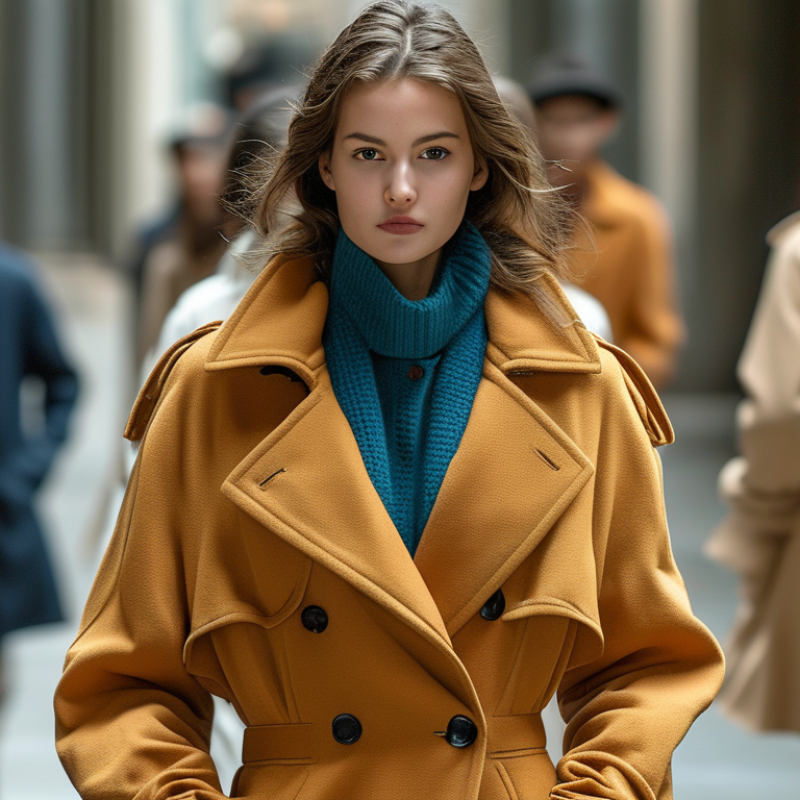
Future Fabric Innovations: Sustainable Materials Shaping 2026 Coat Trends
The coat trends for 2026 will be heavily influenced by innovations in sustainable materials. The fashion industry is under pressure to shift towards eco-friendly practices. Reports show that around 67% of consumers prefer brands that prioritize sustainability. This trend is prompting designers to explore natural fibers, recycled textiles, and innovative biopolymers.
One standout area is the use of regenerative materials. Research indicates that these fabrics have the potential to reduce environmental impact by as much as 50%. Brands in 2026 will likely highlight transparency in sourcing materials. Consumers want to know how their coats are made. This creates a need for brands to share their stories and processes.
However, this transition is not without challenges. Sourcing high-quality sustainable materials can be difficult. Not all available options meet the aesthetic or functional requirements that consumers expect. Moreover, the price point of sustainable coats may deter some buyers. A balance between sustainability and affordability remains an ongoing debate. The future of fashion will likely involve adapting to these complexities while striving for ethical production methods.
Color Palette Predictions: Dominant Shades for Coats in 2026 Fashion
As we look ahead to 2026, the color palette for coats is shaping up to be both bold and refreshing. According to recent forecasts by the Fashion Color Institute, dominant shades will include earthy tones, vibrant hues, and unexpected pastels. Expect to see rich terracotta and deep moss green leading the way. This shift signals a move away from the minimalist aesthetic of previous years, embracing colors that evoke nature and warmth.
Interestingly, the trends report notes that colors like vibrant lilac and sunflower yellow will also make significant appearances. These colors not only uplift spirits but also create a striking contrast against darker winter months. Yet, while these shades captivate attention, they can be challenging to style for some individuals. Fashion experts suggest that layering with neutral tones could help balance bold colors while maintaining personal style integrity.
Data also indicates that consumer preferences are changing. A survey revealed that up to 65% of fashion enthusiasts are eager to experiment with new colors in their wardrobe. However, there remains a hesitation about embracing bright colors. This reflects a deeper psychological pattern where consumers lean towards comfort. The fashion industry must consider these complexities to align trends with consumer behavior effectively.
Silhouette Styles: Exploring Popular Coat Shapes for the 2026 Season
As we look ahead to the fashion trends of 2026, coat silhouettes will play a crucial role. The upcoming season is likely to showcase a blend of structure and fluidity. Through tailored peacoats and oversized trench coats, each piece offers a unique expression of confidence. A structured coat can accentuate the waist, while loose-fitting styles promote comfort and ease. This interplay invites exploration of personal style.
Longer silhouettes, like duster coats, are expected to dominate as well. These pieces can transform any outfit, providing versatility. The flow of fabric can be both dramatic and playful. It challenges the wearer to embrace a powerful yet relaxed vibe. Experimenting with lengths encourages creativity, though it may feel daunting at times.
Textured fabrics will remain popular. Mixing materials can add depth and intrigue to a coat. Wool, velvet, and eco-friendly fabrics cater to varied aesthetics. Yet, it's vital to find balance; too many textures can overwhelm. Emphasizing simplicity can create a striking statement without losing sophistication. Trends in 2026 seem to tell us that embracing individuality is key, even amidst the evolving styles.
Popular Coat Shapes for the 2026 Season
Consumer Preferences: Key Influences on Coat Trends Forecast for 2026
As we look ahead to 2026, consumer preferences will play a pivotal role in shaping coat trends. Comfort and sustainability are becoming more important to buyers. Fabrics that are eco-friendly will see increased demand. Many shoppers prioritize items that reduce their carbon footprint. This shift could influence designers’ choices, pushing them towards innovative materials.
Versatility is another key influence. Consumers want coats that transition from casual to formal easily. Styles that can be layered provide flexibility. Jackets with removable linings may gain popularity. Functionality coupled with style remains a top priority. Buyers are seeking practicality without sacrificing aesthetics.
However, there are challenges. Some consumers still cling to fast fashion. This presents a dilemma for sustainable brands. It will be interesting to see how this tension evolves. Notably, the rise of thrift shopping suggests a growing appreciation for vintage styles. Reflecting on these trends is crucial for predicting the future of outerwear. Adaptability will be the cornerstone of success in 2026.
What Coats Are in Fashion for 2026 Trends and Styles?
| Coat Style |
Material |
Color Trends |
Target Demographic |
Key Features |
| Oversized Peacoat |
Wool Blend |
Earth Tones |
Young Adults |
Double-Breasted, Large Buttons |
| Tailored Trench |
Cotton Gabardine |
Navy Blue |
Professionals |
Belted Waist, Classic Fit |
| Puffer Jacket |
Nylon |
Bright Colors |
Youth and Teens |
Lightweight, Packs Easily |
| Cape Coat |
Wool or Cashmere |
Pastel Shades |
Fashion Enthusiasts |
Flowy Silhouette, Unique Cuts |
| Leather Biker Jacket |
Genuine Leather |
Black and Charcoal |
All Ages |
Zippered Pockets, Asymmetrical Zip |
Tech-Infused Coats: The Rise of Smart Apparel in 2026 Fashion Trends
In 2026, smart apparel is taking the fashion world by storm. Tech-infused coats are at the forefront of this trend. Wearable technology is not just a novelty; it’s becoming essential for many consumers. According to a 2023 market research report, the industry for smart clothing is projected to grow by 30% annually, highlighting strong demand for innovative designs.
These coats feature integrated sensors and materials that respond to weather changes. For example, some coats can adjust insulation based on temperature. Others might track health metrics, such as heart rate or activity levels. The seamless blend of style and functionality attracts a broad demographic, especially in urban areas where practicality meets aesthetics.
However, challenges remain. There’s a need for user-friendly interfaces and storage for charging devices. Consumers may hesitate to adopt these styles without reassurance about durability and maintenance. Additionally, there's a rising concern over data privacy linked to wearable technology. Ensuring a balance between innovation and user trust will be crucial for the industry’s future.
Conclusion
As we look ahead to the 2026 fashion landscape, several key trends are emerging for coats that will define the season. Firstly, sustainable materials are at the forefront, with innovative fabrics driving the shift towards eco-friendly choices in outerwear. Additionally, the color palette for coats will predominantly feature bold and vibrant shades, reflecting a desire for expression and optimism in fashion.
Silhouette styles will explore various popular shapes, combining functionality and aesthetics. Consumer preferences continue to play a significant role in shaping these trends, influenced by lifestyle needs and a growing consciousness around sustainability. Lastly, the integration of technology is becoming more prominent, with smart apparel gaining traction in coat designs. As a result, it’s essential to stay informed about what coats are in fashion this year to make well-informed choices for your wardrobe in 2026.

 ASALUXE Fashion