2026 Top Jackets How to Tell If a Jacket Is Good Quality?

Time:2026-09-20 Author:Ethan
0%

A jacket can look impressive on a screen and disappoint in real weather. In 2026, popular designs include lightweight shells, insulated parkas, leather layers, and versatile work jackets. Each style requires a different quality check. A warm coat should trap heat without feeling bulky. A rain jacket should resist water while allowing comfortable movement. Good appearance matters, but performance matters more.

Knowing how to tell if a jacket is good quality starts with close inspection. Run your fingers along the seams and check for even stitching, loose threads, and reinforced stress points. Examine the zipper, snaps, lining, cuffs, and pocket construction. Quality hardware should move smoothly and feel secure. Fabric should match the jacket’s purpose, not merely appear expensive. A dense weave, clean finish, and balanced weight often reveal careful manufacturing.

Labels and product information also deserve attention. Reliable brands explain fiber content, insulation, care instructions, and production details clearly. Independent reviews can provide useful evidence, especially when they describe repeated wear, washing, and weather exposure. Still, no checklist is perfect. I have seen attractive jackets with excellent fabric but weak zippers. Small flaws matter. A beautiful coat may become frustrating after one season if its stitching fails or its lining twists.

This guide examines the practical signs separating dependable jackets from temporary fashion pieces. It considers materials, construction, comfort, durability, ethical transparency, and value. The goal is not to choose the most expensive jacket. It is to choose one that performs honestly, fits your routine, and remains useful beyond a single trend.
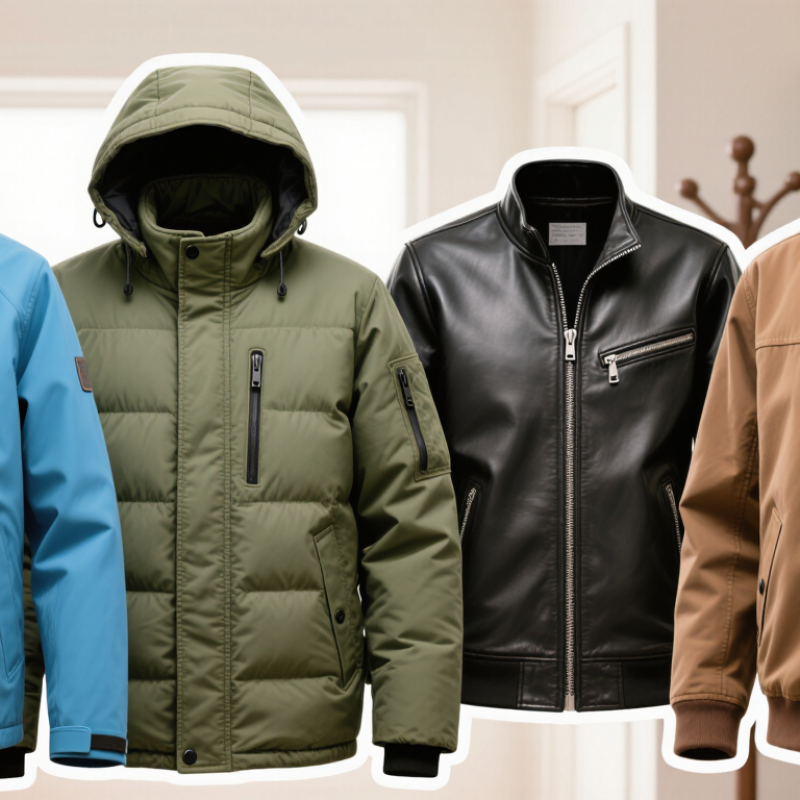
2026 Top Jackets How to Tell If a Jacket Is Good Quality?

What Defines a High-Quality Jacket?

What Defines a High-Quality Jacket?

A high-quality jacket starts with materials suited to its purpose. Dense fabric should resist abrasion without feeling stiff or noisy. For rainwear, inspect the membrane, seam sealing, and water-resistant zippers.

A laboratory water test matters, but daily comfort matters too. Textile Exchange’s Materials Market Report 2024 recorded 124 million tonnes of global fiber production in 2023. It also reported that recycled polyester represented about 14% of polyester output. These figures make material traceability increasingly important, not merely fashionable.

Construction reveals more than a product label. Check whether stitches remain even around pockets, cuffs, and shoulders. Pull the zipper gently several times. It should move without catching. Strong bar tacks at pocket openings can prevent early tearing.

In professional garment inspections, durability is often judged through abrasion, seam strength, colorfastness, and dimensional change after washing. Still, inspection is imperfect. I have trusted a thick fabric that later pilled under a backpack strap. Weight alone proves little.

A quality jacket should also fit over a light sweater, leave room for movement, and avoid cold gaps at the collar.

Tips: Hold the jacket toward bright light. Uneven weaving may reveal weak areas. Read care instructions before buying. Difficult cleaning can shorten real-world life.

Examine spare buttons, repair access, and lining attachment. Small details count. A 2024 report from the European Outdoor Conservation Association emphasizes extending product life through care and repair, which supports checking whether a jacket can be maintained rather than discarded.

How to Evaluate Jacket Materials and Fabric Construction

A good jacket starts with the fabric, not the label. I check the surface under bright light. Tight, even weaving usually signals better control during production. Loose threads, uneven texture, or small slubs deserve attention. Textile Exchange’s Materials Market Report 2024 estimates global fiber production reached 124 million tonnes in 2023. That scale makes fiber selection important, but fiber type alone cannot prove quality.

For daily jackets, fabric weight matters. A 200–300 GSM shell often feels more protective than a very light fabric, though climate changes the ideal choice. I pinch the material and bend it repeatedly. Good fabric recovers without shiny stress marks or permanent creases. Dense ripstop grids can limit tearing. However, a grid pattern does not guarantee strength. Test the seams too. Even stitching, reinforced stress points, and neatly finished hems show stronger construction. Water-resistant fabric should also have a consistent coating, not a plastic-looking surface.

I examine the zipper tape, snaps, lining, and pocket corners. These details fail first in real use. A jacket may use premium fibers but still feel poorly made. The EU’s Product Environmental Footprint method also stresses that material impacts depend on production and use, not fiber names alone. That is a useful correction to simple “natural versus synthetic” claims. My own inspection is not laboratory testing. I can miss hidden defects. Still, rubbing the cuff, stretching the elbow, and checking seam tension reveal more than a quick glance. Comfort matters too. A rigid jacket can be technically durable yet unpleasant to wear.

2026 Top Jackets: How to Tell If a Jacket Is Good Quality?

How to Evaluate Jacket Materials and Fabric Construction

Typical fabric weight varies by jacket purpose and construction. Lightweight nylon and polyester are commonly used for packable outerwear, cotton canvas and wool melton are substantially heavier, while three-layer waterproof laminates balance weather protection with lower weight. A higher GSM value does not automatically mean better quality: also inspect weave density, yarn consistency, seam finishing, coating or membrane integrity, and lining construction.

Values show representative midpoints of common commercial fabric ranges: nylon plain weave 70–120 g/m², polyester plain weave 80–160 g/m², cotton canvas 250–400 g/m², wool melton 350–550 g/m², and three-layer waterproof laminate 100–200 g/m². Actual specifications vary by fabric design and intended use.

How to Check Stitching, Seams, and Overall Craftsmanship

A quality jacket reveals itself through careful stitching, not a flashy surface. I inspect the inside before judging the fabric. Even rows should follow the garment’s shape without sudden gaps, loose loops, or doubled threads. Small mistakes matter.

Check the shoulder seams, sleeve joins, and pocket corners closely. These areas receive repeated stress during movement. Strong stitching usually looks compact and consistent. Tug each seam gently, but do not force it. The fabric should not separate easily. Bar-tacks near pockets and zippers add useful reinforcement. However, bulky stitching can restrict movement and create uncomfortable pressure.

I also examine the seam allowance inside the jacket. Clean finishing reduces fraying and suggests controlled production. A lining should sit flat, without pulling across the back or bunching near the sleeves. Try lifting both arms. The jacket should move with you. My first impression has sometimes been wrong; smooth fabric cannot hide poor construction forever. Loose threads are not always serious, yet several appear in one area deserve attention. Check the zipper tape, buttons, and collar attachment too. They should feel secure, not merely decorative. A slightly uneven stitch may be harmless, but repeated irregularity signals weaker quality control. Wear the jacket for a few minutes if possible. Comfort exposes faults that a hanger conceals.

How to Assess Zippers, Buttons, Linings, and Other Details

A quality jacket reveals itself through small, functional details. I usually test the zipper several times, moving it slowly and fully. It should glide without catching, twisting, or separating from the teeth. Check the zipper tape, too. Loose threads may signal rushed construction. Metal hardware should feel secure, not unusually light or sharp.

Buttons deserve equal attention. Pull each one gently and inspect the stitching on both sides. Strong buttons usually have neat, tight thread patterns and reinforced attachment points. Examine the lining near the shoulders, pockets, and sleeves. It should lie flat without puckering. A smooth lining helps the jacket move comfortably over clothing. Still, lining alone does not prove quality. I once trusted a soft lining and missed weak seams underneath.

Tips: Turn the jacket inside out. Look for even seam allowances, clean hems, and secure pocket corners. Rub the fabric lightly between your fingers. Notice whether it feels dense or flimsy. Test the cuffs and collar by folding them naturally. They should recover their shape without excessive creasing. Avoid pulling hard; a careful inspection is more reliable than force. Check the care label and material information before buying. Some finishes look impressive but may need delicate maintenance. Quality is not always perfect. Small variations can be acceptable, but loose stitching, uneven seams, and unreliable fasteners deserve attention.

How to Test Fit, Comfort, Function, and Long-Term Durability

A good jacket should feel natural before it looks impressive. Put it on over the shirt or sweater you normally wear. Raise both arms, reach forward, and turn your shoulders. The hem should stay fairly stable, while the sleeves should cover your wrists. Check the collar against your neck. It should close without choking or leaving a large gap. Walk for several minutes. Small pressure points often appear later.

Check the seams.

Inspect stitching around the shoulders, pockets, cuffs, and zipper. Even rows and secure thread ends suggest careful construction. Pull the fabric gently near a pocket. Excessive separation may indicate weak reinforcement. Open and close every zipper with one hand. Test the buttons while wearing gloves, if cold-weather use matters. Pockets should hold your phone and keys without pulling the jacket out of shape.

Comfort also depends on ventilation and lining. Move through warm and cool spaces if possible. A jacket that feels perfect in a store may become clammy outdoors. I once chose a lighter design because it looked cleaner, but its stiff lining restricted my elbows. That mistake changed how I judge fit. My assessment is not perfect, so I check again after sitting, driving, and carrying a bag. For durability, examine abrasion-prone areas and ask how the fabric handles washing. Follow the care label. A strong jacket can still fail through careless cleaning. Look for repairable details, such as replaceable pulls or firmly attached cuffs. Long-term value comes from repeated comfort, not a dramatic first impression.

FAQS

What materials indicate a high-quality jacket?

The fabric should suit the jacket’s purpose. Dense material should resist abrasion without feeling stiff or noisy. For rainwear, inspect the membrane, sealed seams, and water-resistant zippers. Material traceability also matters. A 2024 report recorded 124 million tonnes of global fiber production.

How can I test a jacket’s zipper?

Move the zipper slowly several times. It should glide without catching, twisting, or separating. Check the zipper tape for loose threads. Hardware should feel secure, not sharp or unusually light. Do not pull aggressively.

What should I inspect on buttons?

Pull each button gently. Examine the thread on both sides. Tight, neat stitching suggests better attachment. Reinforced points can reduce early tearing. A button can look fine and still be poorly sewn.

How do I check the lining?

Turn the jacket inside out. The lining should lie flat near the shoulders, sleeves, and pockets. Avoid puckering or loose attachment. A smooth lining helps the jacket slide over a sweater. Softness alone proves little.

Which stitching details matter most?

Look around pockets, cuffs, shoulders, and hems. Stitches should appear even and secure. Strong bar tacks at pocket openings can prevent tearing. Clean seam allowances are encouraging. Uneven seams deserve attention.

Does a heavier jacket always have better quality?

No. Weight proves little. A thick fabric may pill beneath a backpack strap. Try the jacket over a light sweater. You should move freely without cold gaps around the collar. Fit is part of durability.

How can bright light reveal construction problems?

Hold the jacket toward a bright window or lamp. Uneven weaving may reveal thin or weak areas. Rub the fabric lightly between your fingers. It should not feel unexpectedly flimsy. This check is useful, but not perfect.

Why should care instructions affect my buying decision?

Difficult cleaning can shorten a jacket’s practical life. Read the care label before buying. Check whether repairs are possible and spare buttons are included. A repairable jacket may stay useful longer. I sometimes overlook this detail, and that is a mistake.

What imperfections are acceptable?

Small variations may be harmless. Loose stitching, unreliable fasteners, and distorted seams are more concerning. Inspect calmly instead of forcing the garment. Quality is not absolute. Your needs still matter most.

Conclusion

Choosing a well-made jacket starts with understanding what quality looks and feels like. This guide explains how to tell if a jacket is good quality by examining its materials, fabric weight, texture, and construction. A durable outer fabric, carefully finished seams, even stitching, and reinforced stress points often indicate thoughtful craftsmanship. The article also highlights the importance of checking whether panels are aligned and whether the jacket maintains its shape without feeling stiff or poorly balanced.

Small details can reveal a great deal about overall construction. Test zippers, buttons, cuffs, pockets, and lining to ensure they operate smoothly and feel secure. A quality jacket should fit comfortably, allow natural movement, provide suitable protection, and match its intended use. Finally, consider long-term durability by examining resistance to wear, ease of care, and how well the jacket performs during repeated use. These practical checks can help shoppers make a confident decision based on construction rather than appearance alone.

Ethan

Ethan

Ethan is a seasoned marketing professional with a deep expertise in our company's innovative product line. With a passion for sharing knowledge and insights, he takes the lead in regularly updating our corporate blog, where he explores industry trends, product features, and effective marketing......